 CCTV Betting
CCTV Cameras — Live Traffic Feeds for Betting UK
Browse 15+ live camera locations across 8 UK cities. HD feeds, 24/7 availability, real rush hour markets on every camera.
Available CCTV Camera Locations
The CCTV Betting platform currently broadcasts 15 live HD cameras covering eight UK cities. Every feed runs 24/7 at 1080p with infrared low-light coverage, a 2-3 second buffer and a real-time activity indicator that ranks the busiest cameras at the top of the grid. Each camera page exposes its rush hour schedule, a 7-day rolling vehicle count and the next betting window.

London — Oxford Street
High volume, retail commuter mix
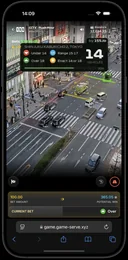
London — Tower Bridge
Tourist + commuter overlap
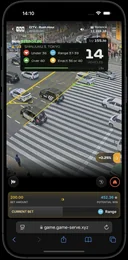
London — Liverpool Street
Heaviest morning commuter peak

London — Piccadilly Circus
Evening peak + night-life

Manchester — Piccadilly
Stable commuter surge

Manchester — Deansgate
Evening city-centre flow

Birmingham — Bull Ring
Shopping district pattern

Birmingham — New Street
Station-driven commuter
London Camera Locations
London hosts the largest camera cluster on the platform — four central feeds covering very different traffic profiles. Liverpool Street is the heaviest morning commuter camera anywhere in the UK, regularly hitting 160 vehicles per 10 minutes during the 7:30-8:45am peak. Oxford Street blends commuter and retail flow with a strong afternoon rebound; its lane bias makes Lane Comparison markets unusually predictable. Tower Bridge sits a level lower on volume but compensates with tourist + commuter overlap that keeps the camera active across a wider window. Piccadilly Circus is the evening peak specialist, with night-life activity extending Over markets into the 10pm-12am window.
Oxford Street
High volume, retail commuter mix
Tower Bridge
Tourist + commuter overlap
Liverpool Street
Heaviest morning commuter peak
Piccadilly Circus
Evening peak + night-life
Best London Rush Hour Times
Optimal weekday windows are 7:30-9am for morning peak (heavy on Liverpool Street, Oxford Street) and 5-7pm for the evening peak (broadest spread across all four cameras). Weekends drop volume by 25-35%, with Saturday's 11am-2pm retail window being the only consistent weekend opportunity. Bank holidays cut London volume by 50%.
Manchester & Birmingham Cameras
Manchester Piccadilly is one of the most beginner-friendly cameras on the platform. The morning commuter surge is sharp and predictable — 7:45 to 8:45am produces a tight 10-minute window of consistent volume — and the camera location avoids the unpredictable retail and tourist mix that complicates London markets. Manchester Deansgate covers the evening flow and tends to deliver value on Under markets after 6:30pm.
Birmingham Bull Ring follows a different rhythm. The peak is shifted to retail hours — 11am-2pm and 5-7pm — making this the best camera for players who can't trade rush hour. New Street covers Birmingham's commuter side and behaves more like a traditional rush hour camera, with morning and evening peaks similar in shape to Manchester Piccadilly.
Manchester — Piccadilly
Stable commuter surge
Manchester — Deansgate
Evening city-centre flow
Birmingham — Bull Ring
Shopping district pattern
Birmingham — New Street
Station-driven commuter
Camera Feed Quality & Technical Specs
- Resolution: 1080p HD on every camera, with automatic 720p fallback on cellular data.
- Latency: 2-3 second broadcast buffer, accounted for in settlement.
- Frame rate: 25fps streaming.
- Low light: infrared night vision keeps overnight feeds usable.
- Weather: all cameras are weather-resistant; heavy fog or snow can void high-volume markets automatically.
- Bandwidth: 2-5 Mbps recommended for HD; 1 Mbps minimum for the 720p fallback.
- Backup feeds: redundant cameras on Oxford Street, Piccadilly Circus and Manchester Piccadilly, with 60-second failover.
Historical Traffic Data & Patterns
Every camera page exposes its 7-day rolling vehicle count, broken down by hour and weekday. The data is the same source the platform uses to set its market lines, so players who lean on the published averages are working from the same baseline as the operator. Patterns to look for include weekday morning volume that consistently exceeds the 7-day average by 8-12% during school terms, and evening volume that drops sharply on rainy weekdays in the suburbs but rises in central London.
Seasonal effects matter too. July-August sees a 25% drop across most commuter cameras as schools break; November-December retail cameras add 10-15% to their lines for the Christmas window. Sporting events create localised spikes that often last 90-120 minutes after the final whistle — see our UK cities betting guide for city-by-city anomalies and weather impact.
FAQ
How many CCTV cameras are available for betting?
15+ HD cameras across 8 UK cities — London, Manchester, Birmingham, Edinburgh, Leeds, Glasgow, Liverpool, Bristol and Newcastle. New locations are added quarterly based on player demand and feed availability.
Can I request new camera locations?
Yes. Camera requests are accepted via the support form. Locations require either a public TfL/council feed or a permitted partnership; we publish a quarterly roadmap of cameras under evaluation.
How does camera feed delay impact betting?
Streams have a 2-3 second buffer that is built into the betting window. The on-screen counter and the broadcast feed stay in sync; the lag has no settlement impact.
Is historical traffic data available for each camera?
Yes. Every camera page shows a 7-day rolling average vehicle count, peak-hour distribution and a weather-impact indicator. Full 30-day archives are available on request to verified accounts. See CCTV Betting platform overview or our rush hour betting guide.