 CCTV Betting
How to Play CCTV Betting — Traffic Rush Hour Guide
Learn to bet on real traffic — pick a camera, choose a market, watch the rush hour decide. Five steps from registration to settlement.
Getting Started with CCTV Betting
Account creation takes under a minute. You will need an email address, a strong password and a UK postcode for age verification. Demo mode opens instantly — no deposit, no documents — with £1,000 in virtual credit you can cycle as many times as you like. The first cash deposit unlocks the £10 free bet welcome offer; minimum deposit is £10 across debit card, PayPal, Apple Pay and Paysafecard.
Once logged in, the camera grid is the home screen. Each tile shows a live preview, the current congestion level and the next betting window. Click any tile to expand the feed, or use the city filter at the top to narrow results to London, Manchester, Birmingham, Edinburgh and four more UK regions.
Choosing Your Camera & City
Camera selection drives everything. The grid is sorted by activity by default, so the busiest live feeds bubble to the top during rush hour. Each camera page lists its rush hour schedule, a 7-day average vehicle count, weather conditions, and a quality indicator (HD or backup feed). Beginners are typically best served by Manchester Piccadilly or Edinburgh Princes Street — moderate volume, predictable patterns, lower variance than central London.
For a deeper read on city-specific traffic characteristics, see our UK city traffic betting guide and the full camera list with live feeds.
Understanding Bet Types
CCTV Betting offers four core markets, each tuned to a different read on the traffic. Odds adjust dynamically based on the previous 7 days of camera data, so identical-looking markets across two cities can pay differently.
- Over/Under vehicle count. The most popular market. Predict whether the total vehicles passing the detection zone will exceed a target (e.g. "over 50 cars per 10 min" at 1.90 odds). Volatility is low and odds are tight.
- Congestion Level (1-5). Bet on the average traffic flow during the window. Level 1 means free flow at 30+ mph, Level 5 is gridlock under 5 mph. Pays from 2.00x (broad ranges) up to 5.00x (single level).
- First Vehicle Type. Predict which class crosses first after the window opens — car (2.50x), bus (4.00x) or truck (6.00x). Highest variance market.
- Lane Comparison. Pick which lane (left vs right) records more vehicles. Pays around 2.00x with low variance — useful for cameras where lane bias is predictable.
Markets stay available across the same camera 24/7, but odds and target numbers shift to match the time of day. Rush hour means tighter odds on Over markets and more generous odds on Under; the inverse holds at off-peak hours.
How to Place a CCTV Traffic Bet
Once you have a camera open, placing a bet is a four-tap process. The bet slip lives on the right of the desktop layout and slides up as a sheet on mobile. Every choice you make in the slip updates the implied probability in real time, so you can see the math change as you commit.
- Pick a window. 10 minutes for fast rush hour action, 30 for stable congestion bets, 60 minutes for off-peak Unders.
- Pick a market. Over/Under, congestion, vehicle type or lane comparison — pricing displays beside each option.
- Enter your stake. £1 minimum, £100 maximum on standard markets. The slip shows expected return before you confirm.
- Confirm. The bet locks the moment the window opens; the timer and on-screen counter run live until settlement.
Settlement is instant. The moment the timer hits zero, the system reads the final vehicle count from the stored footage, applies your market's settlement rules and credits any winnings to your balance. There is no manual review unless the feed dropped — see verification below.
Live Feed Verification Process
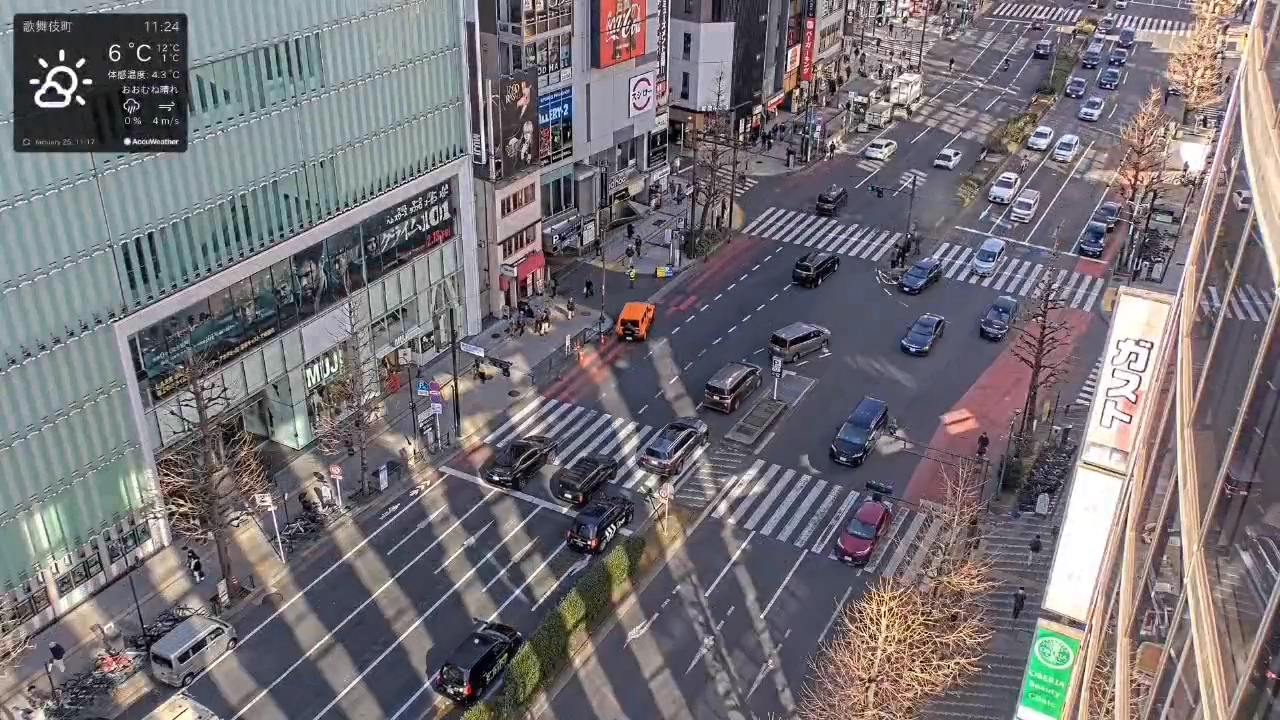
Every bet window keeps a running counter visible on the live feed, so the count you see during the window is the count that determines your bet. Once the window closes, the camera switches to a 5-second replay scrubbing across the recorded footage with each detected vehicle highlighted in green — this is your verification step. If you disagree with the count, click the "Dispute" link inside the bet history; an operator re-runs the same computer vision pipeline against the same archived feed and either confirms the count or voids the round.
Rush Hour Betting Strategies
The platform shows historical data for the last 7 days on every camera, and players who use it consistently outperform players who don't. A handful of repeatable strategies work well for newcomers to rush hour betting:
- Stick to peak windows. 7:30-8:45am and 5-6:30pm Mon-Fri produce the most predictable rush hour patterns. Avoid Mondays after bank holidays — volume is artificially low for the first 90 minutes.
- Avoid extreme weather days. Snow, freezing rain or fog distorts congestion bets dramatically. Rain is fine — it slightly increases congestion without disrupting volume.
- Learn the geography of one camera. Business district cameras (Liverpool Street, Manchester Piccadilly) skew commuter; retail cameras (Bull Ring, Oxford Street) skew shopper. Pattern stability follows.
- Use the 7-day average as your line. If the platform's market line is more than 10% above or below the rolling average, treat it as a value opportunity worth pressing.
- Bank holidays and school holidays cut volume by 40-60%. Adjust Under bets accordingly — the easiest edge in traffic betting comes from knowing the calendar.
Reading Traffic Congestion Levels
The 5-level congestion scale is the heart of one of the most popular markets. Each level is calculated from the average flow speed across the betting window, with visual indicators on the feed colour-coding the road from green (free flow) to red (gridlock).
- Level 1 — Free flow: 30+ mph average, green indicator. Common at off-peak hours and on weekends.
- Level 2 — Slight delay: 20-30 mph, yellow indicator. Typical during morning rush at suburban cameras.
- Level 3 — Moderate congestion: 10-20 mph, orange indicator. The default state of most central London cameras during peak.
- Level 4 — Heavy congestion: 5-10 mph, dark orange. Usually triggered by an incident or a 7-9am peak surge at the busiest junctions.
- Level 5 — Gridlock: under 5 mph, red. Rare outside snow, ice or major sporting events. Highest-paying congestion market.
Managing Your Bankroll
Discipline matters more than picking edges. The platform supports daily, weekly and monthly deposit caps, automatic loss limits and 30-minute session reminders — all configurable from the responsible gambling tab. A reasonable starting cap for newcomers to the cctv game is £20-£50 per day, with a single-bet maximum of 5% of the daily cap.
- Track every bet — the bet history exports to CSV so you can keep an external log.
- Avoid chasing losses inside a single rush hour window; the next window opens within minutes.
- Use demo mode for new strategies before committing real cash. The £1,000 virtual balance refills on every reload.
- Cash out winnings in regular sweeps. Keeping a running profit on the platform increases the temptation to over-stake.
FAQ
How long are CCTV Betting windows?
Three durations are available on every camera: 10 minutes (fastest, used during rush hour), 30 minutes (most popular for congestion bets), and 1 hour (best for off-peak Under markets).
Can I bet on multiple cameras at the same time?
Yes. There is no limit to concurrent bets across cameras. The bet slip shows every active position with its countdown so you can monitor several feeds simultaneously.
What is the minimum stake?
The minimum stake is £1 across every market. The maximum is £100 on standard markets and £25 on the high-odds Exact / First Vehicle Type bets.
How are CCTV Betting results calculated?
Computer vision counts every vehicle that crosses the marked detection zone in the correct direction. The total at the end of the window is the official result; ties on Over/Under markets are voided and refunded.
What happens if a camera feed fails mid-bet?
If a feed drops for more than 30 seconds during a bet window, the round is voided and stakes are refunded automatically. Backup cameras cover the highest-volume locations to minimise this risk.